
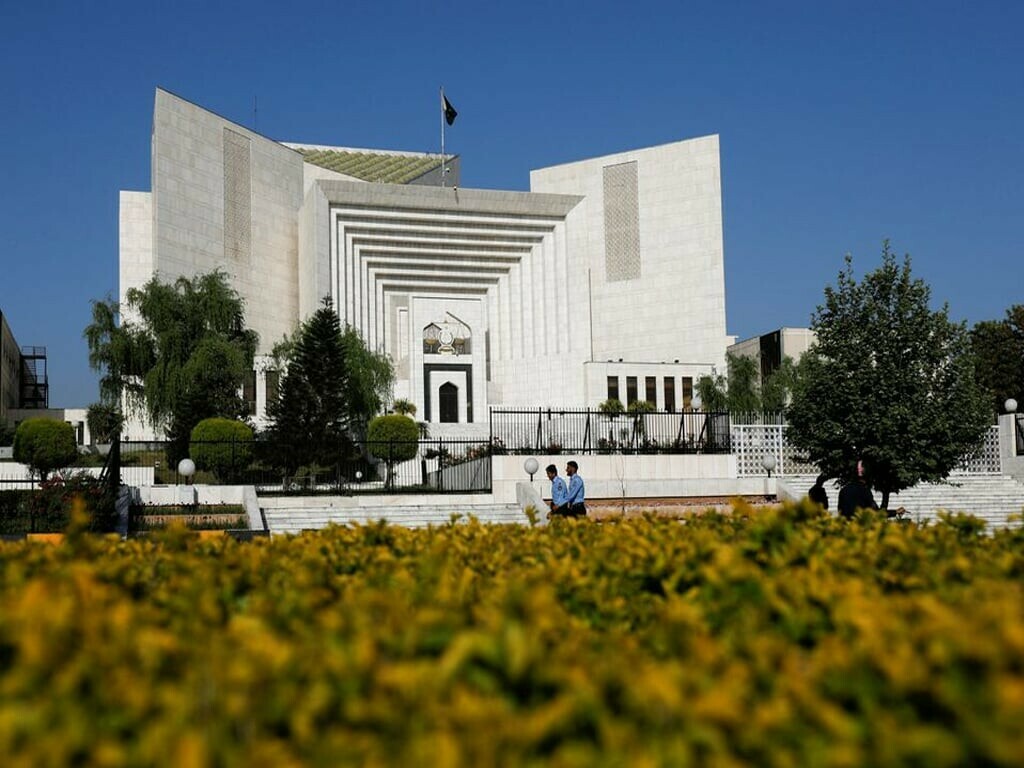

In a significant judgment impacting tax litigation and compliance, the Supreme Court of Pakistan has ruled that the standard six-year timeframe for retaining tax records, as stipulated under Section 174(1) of the Income Tax Ordinance, 2001, does not apply when a legal proceeding concerning those records is pending. The apex court clarified that the obligation to maintain tax documents extends beyond this statutory period and continues until the relevant case reaches its final resolution.
Overturning LHC Decision in 2010 Tax Case
The landmark ruling stemmed from a case related to the tax year 2010, where a taxpayer had challenged the Federal Board of Revenue’s (FBR) demand for production of financial records. The taxpayer argued that the six-year statutory period for retaining such records had expired. However, a three-member bench of the Supreme Court, comprising Chief Justice Yahya Afridi, Justice Muhammad Shafi Siddiqui, and Justice Miangul Hassan Aurangzeb, set aside a previous ruling by the Lahore High Court (LHC) that had favored the taxpayer’s stance.
The core legal question revolved around whether the taxpayer was required to keep records beyond approximately five years from the date of deemed assessment (around September 30, 2010). The FBR had issued a show cause notice within the permissible time frame on February 27, 2015, initiating the reassessment process. Although the taxpayer contested this notice in court, the Supreme Court determined that once a legal matter becomes ‘subjudice’ (under judicial consideration), the requirement to retain records as per Section 174 remains in effect until the litigation is finally decided.
Proviso Extends Obligation During Litigation
The Supreme Court emphasized that the proviso attached to Section 174(1) explicitly allows for an extended obligation to maintain tax documents specifically when a case is undergoing legal scrutiny. The court’s observation highlighted that the mere existence of ongoing litigation effectively overrides the six-year limit for record retention, even if no stay order has been granted in the case. This clarification is particularly crucial for navigating protracted tax disputes, ensuring that the tax authorities have necessary access to relevant documentation for a fair and informed adjudication process.
Furthermore, the Supreme Court criticized the blanket immunity from record production that the LHC had granted to the taxpayer. It firmly stated that while the law provides a general timeframe, the proviso and the explanation introduced by the Finance Act 2010 clearly mandate that taxpayers must retain their records until the judicial proceedings related to those records are concluded.
With this definitive ruling, the Supreme Court has reinforced the FBR’s authority to demand records during ongoing legal proceedings and has provided vital clarity on the application of record-keeping laws in matters under judicial review. This judgment is expected to serve as a significant precedent in future cases involving prolonged tax disputes and the associated obligations for record production.