
Recent figures released by the Pakistan Auto Manufacturers Association (PAMA) have intensified discussions about the nation’s growing economic inequality. The data starkly contrasts consumer behavior across different income brackets, particularly highlighted by diverging trends in vehicle sales.
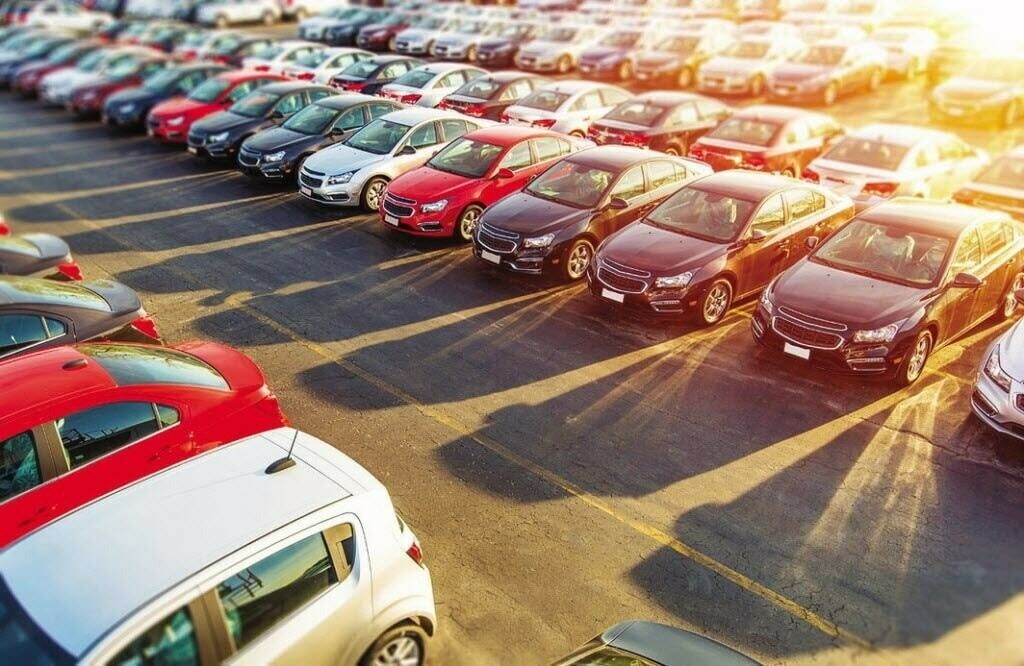
The PAMA data for the first 10 months of the fiscal year 2024-25 (July–April) shows a significant surge in the sales of luxury vehicles, defined as those with engine capacities of 1300 CC and above. Sales in this segment jumped by a substantial 47%, reaching 40,369 units compared to 27,429 units sold during the corresponding period in the previous fiscal year.
This considerable increase in high-end vehicle purchases points towards a concentration of purchasing power within Pakistan’s affluent class, fueling concerns about an uneven economic recovery and persistent income disparity across the population.
Mid-Range Market Shrinks While Lower-End Grows
In sharp contrast to the booming luxury segment, sales of mid-range cars (1000 CC engine capacity) experienced a significant downturn. This category saw sales plummet by 36%, dropping from 6,093 units to just 3,919 units over the same period.
Conversely, the lower-end car segment, comprising vehicles with engine capacities below 1000 CC, registered an increase in sales. This segment grew by 32%, with sales rising from 29,440 units to 38,981 units. This trend indicates a shift towards more affordable options among cost-conscious consumers facing economic constraints.
The disparate sales figures vividly illustrate class polarization within Pakistan’s automotive market. While the elite continue to demonstrate strong purchasing power for luxury goods, including both imported and locally assembled high-end cars, middle-income groups appear to be increasingly priced out. Many from this segment are either opting for smaller, more affordable vehicles or foregoing car ownership entirely.
Analysts interpret this disparity as compelling evidence of a widening class divide in Pakistan. They suggest that a segment of the population remains relatively shielded from economic pressures, while the majority grapples with shrinking purchasing power, rising inflation, and limited access to discretionary spending.
FBR Urged to Scrutinize Luxury Purchases
The noticeable trend in luxury car sales has also attracted the attention of tax authorities. There are growing calls for the Federal Board of Revenue (FBR) to enhance scrutiny of these high-value transactions. The concern is that the surge in luxury purchases might also signal underreported wealth and potential tax evasion among buyers.
Under current regulations, including Section 165 of the Income Tax Ordinance, 2001, car manufacturers and dealers act as withholding agents. They are legally obligated to provide detailed information about buyers, including their Computerized National Identity Card (CNIC) or National Tax Number (NTN), and to collect withholding tax at designated rates. They are required to submit quarterly statements detailing buyer identity, total payments, tax collected, and other relevant information.
As luxury car sales thrive while middle-class car ownership faces challenges, the automotive sector has become a prominent symbol of Pakistan’s deepening class divide – a reality that policymakers are increasingly finding difficult to overlook.