
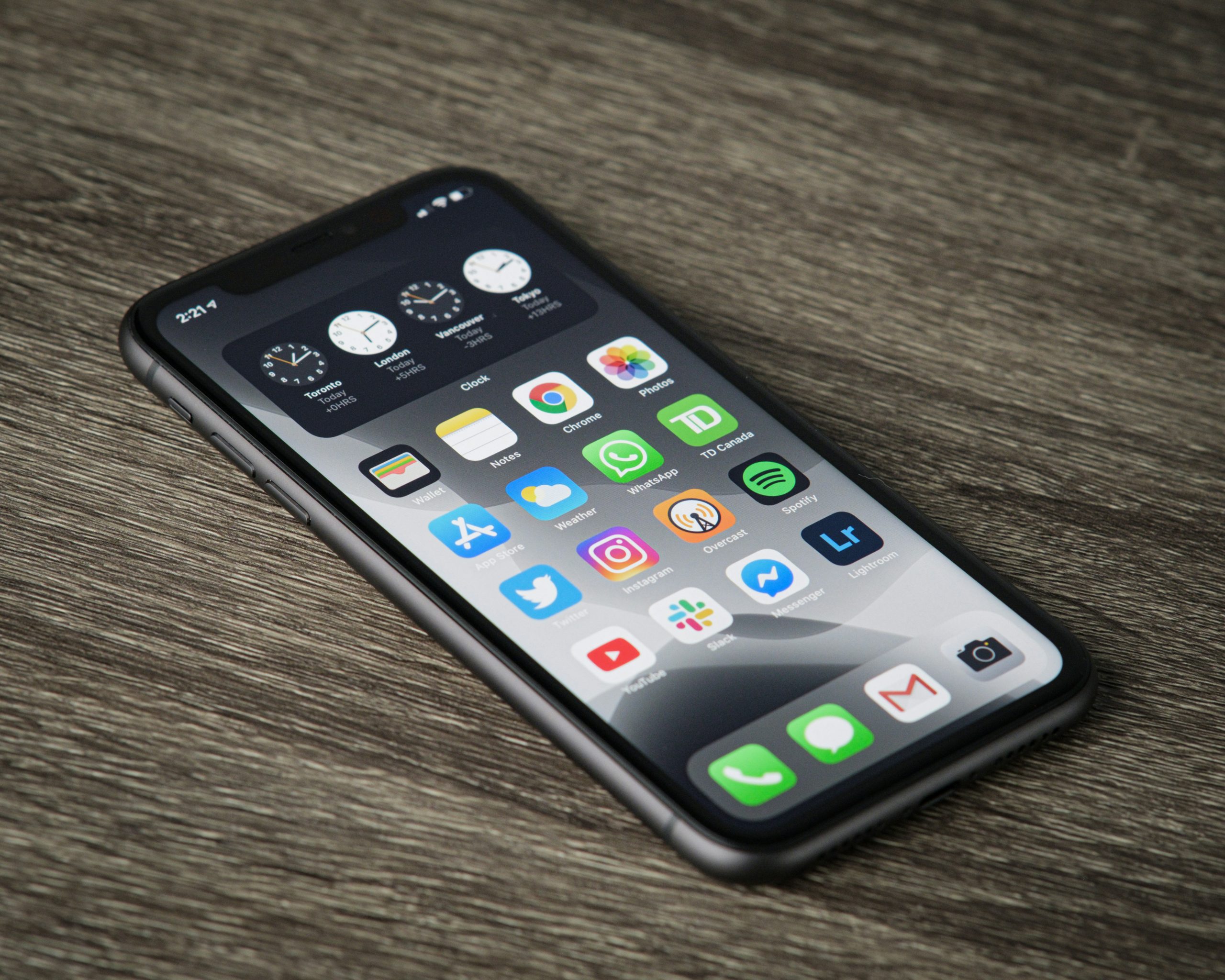

The Federal Board of Revenue (FBR) has lowered customs valuation rates for used and old mobile phones imported into Pakistan, a move expected to reduce PTA taxes and ease prices for consumers.
According to officials, the Directorate General of Customs Valuation in Karachi has updated values for 62 models from major brands including Apple, Samsung, Google Pixel, and OnePlus. For several models, values have been reduced, while others have been assessed for the first time. The revised rates are expected to directly lower the overall tax burden on imported used phones.
Apple devices, which make up a large share of the used-phone market, have seen the sharpest reductions. Customs values for iPhones have been cut by roughly 32 percent to as much as 89 percent, depending on the model. Popular models such as the iPhone 11, 12, and 13 series now fall within a valuation range of about $95 to $295. Newer used models like the iPhone 14 and iPhone 15 series have also been included, while older models nearing the end of their lifecycle have been given heavier depreciation.
Customs values for other brands have been set at relatively moderate levels. Samsung Galaxy models generally range between $40 and $255, Google Pixel phones between about $30 and $260, and OnePlus devices largely fall in the $60 to $185 bracket. Officials say these figures are based on international resale prices and realistic depreciation trends rather than local retail rates.
Officials involved in the process say the previous valuation system had caused frequent disputes at ports, including disagreements over assessed values, allegations of under-invoicing, and conflicts over phone grading. These issues often delayed clearance and increased costs, which were ultimately borne by consumers.
By bringing customs values closer to actual market prices and applying standard valuations regardless of cosmetic condition, the new framework aims to reduce import costs, improve availability, and lower prices in the secondary mobile phone market. Policymakers believe this will benefit students, freelancers, gig workers, and low-income users who rely on used smartphones for connectivity, education, and digital work.
While the revised valuations may reduce tax collection per handset at the import stage, officials argue that broader economic gains—such as higher smartphone usage, improved productivity, and greater participation in the digital economy—outweigh short-term revenue concerns. The policy shift reflects a growing focus on affordability and digital access rather than maximising immediate tax receipts, with its success expected to be measured through wider economic and digital inclusion indicators over time.