
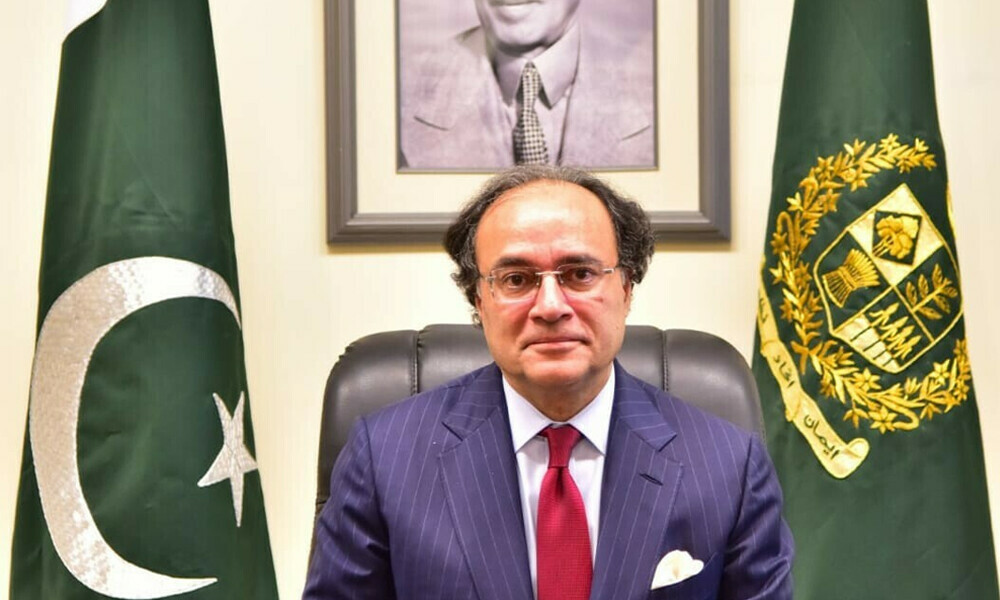

Finance Minister Muhammad Aurangzeb, in his address to the Senate on Saturday, unveiled key relief measures within the federal budget for Fiscal Year 2025-26. These include a substantial income tax cut for a segment of the salaried class and a reduction in the General Sales Tax (GST) on imported solar panels.
Aurangzeb emphasized that individuals earning between Rs600,000 and Rs1.2 million annually will now be taxed at just1%. This marks a further reduction from the 2.5% rate initially proposed in the budget for FY2025-26, which itself was a cut from the previous 5%. This decision directly addresses earlier criticisms from the Pakistan salaried class, who had rejected the government’s initial relief claims.
Relief for Low- and Middle-Income Salaried Individuals
Addressing the Senate, the Finance Minister acknowledged the vital role played by low- and middle-income individuals in the economy, stating, “This is the segment that endures inflation and pays taxes.” He confirmed that the proposal to reduce income tax for this group was part of the budget suggestions, and with directives from the Prime Minister, the rate has been finalized at 1%.
Aurangzeb characterized the implementation of a 1% income tax rate as both “a practical and symbolic recognition” by the government that it does not intend to disproportionately burden this class. He expressed optimism that this measure would not only increase tax compliance but also restore confidence in the tax system.
Furthermore, Aurangzeb reiterated that the salaries of government employees have been increased by 10%, and pensions by 7%. He also highlighted the government’s commitment to fiscal discipline, noting that no mini-budget was introduced during the outgoing fiscal year and that federal government expenditure for FY26 has increased marginally by only 1.9%, significantly lower than in previous years.
GST on Solar Panels Lowered to 10%
In another significant announcement, the Finance Minister informed the Senate that the proposed 18% GST on imported solar panels has been lowered to10% following extensive consultations with lawmakers.
Aurangzeb explained that the initial proposal for an 18% GST was intended to protect local industries, provide a level playing field, and promote domestic development and investment in solar technology. However, “in light of detailed deliberations on the budget in both houses,” the government decided to reduce the proposed tax. He further clarified that this reduced tax will apply only to 46% of imported components, projecting that this measure would result in only a 4.6% increase in the price of solar panels. The minister reaffirmed the government’s commitment to promoting renewable energy.
Addressing concerns about market manipulation, Aurangzeb stated that the government has received reports of profiteering and hoarding of solar panels by certain elements. He condemned these “opportunistic actors” for artificially increasing prices even before the proposed measure came into effect, issuing a strong warning that the government would take every possible step in the public interest, including legal action, against those involved.