
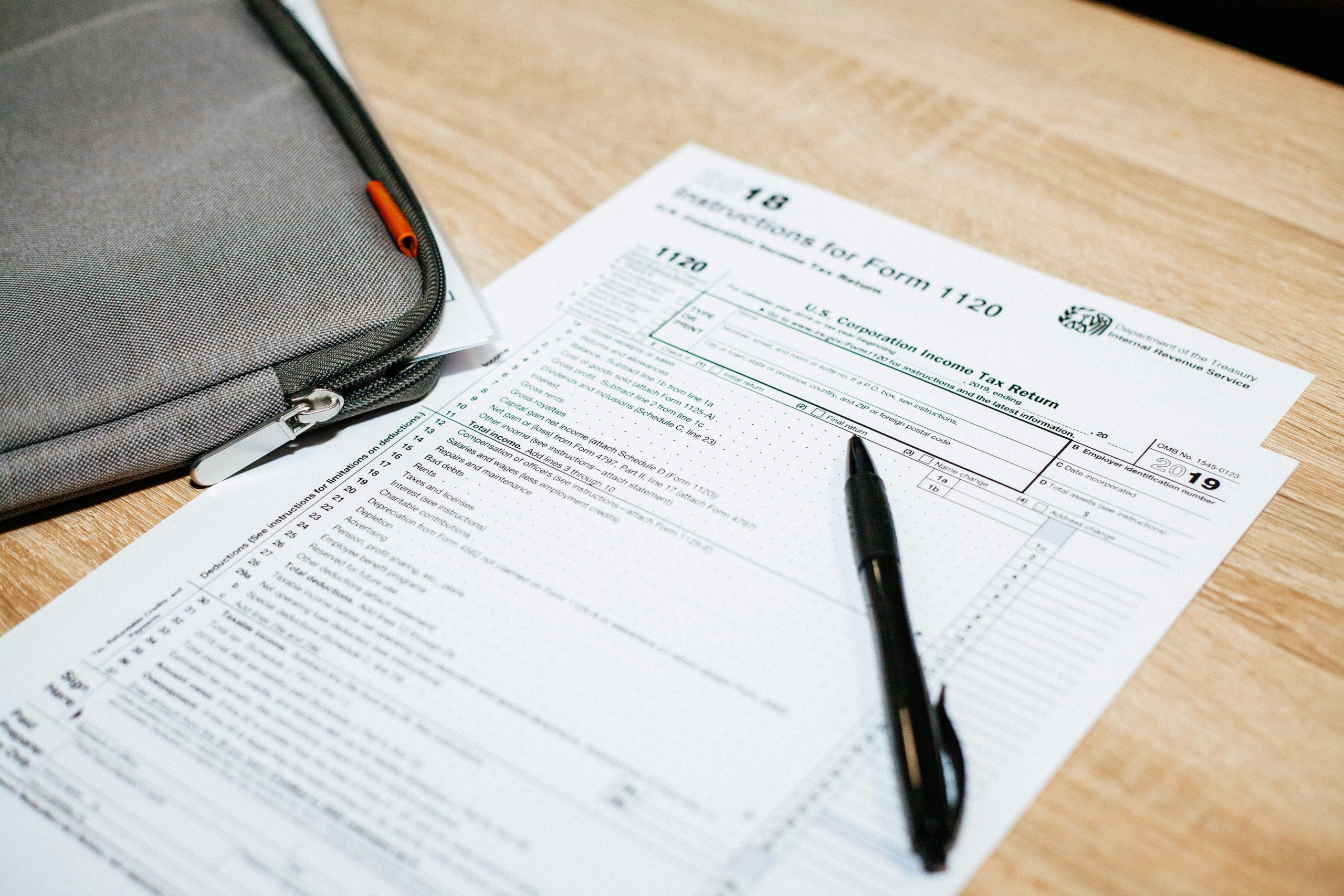

Prime Minister Shehbaz Sharif has lauded the Federal Board of Revenue (FBR) for achieving a historic milestone of 5.9 million income tax returns—the highest in Pakistan’s history.
In an official statement, the Prime Minister congratulated FBR officials and highlighted that the addition of 900,000 new tax filers signifies growing public trust in the government’s economic management. He said the achievement reflects the success of ongoing tax reforms aimed at broadening the tax base and promoting transparency.
Shehbaz Sharif said merit and integrity have been made top priorities within the FBR, resulting in greater efficiency and better taxpayer facilitation. He added that simplifying the return-filing process has encouraged more citizens to join the tax net.
The Prime Minister also cited the success of the automated clearance system at ports, which has curtailed corruption and accelerated cargo processing. Meanwhile, the government’s crackdown on sales tax evasion—alongside the expansion of the Point of Sale (POS) system—has contributed an additional Rs9 billion in revenue.
Reaffirming his government’s commitment to institutional reforms, Shehbaz Sharif said these measures are vital to strengthening Pakistan’s economy and fostering a culture of tax compliance.
However, despite the record rise in tax filers, the FBR missed its revenue collection target for the first four months (July–October) of FY2025–26. In October alone, the FBR collected Rs950 billion against a target of Rs1,026 billion—creating a monthly shortfall of Rs76 billion and pushing the cumulative gap to Rs274 billion.
Total collections for the July–October period stood at Rs3.84 trillion versus the Rs4.11 trillion target. Officials said minor adjustments could raise the October figure to Rs952 billion, though it would still fall short. The annual collection target for FY26 remains Rs14.13 trillion, but revisions are likely following the IMF’s second review under the $7 billion loan programme.
Under the IMF agreement, Pakistan has committed to additional revenue measures if the shortfall persists in the first half of the fiscal year. These may include increasing GST on solar panels from 10% to 18%, higher taxes on telecom services, and enhanced excise duties on fertilizers and pesticides. Although the IMF proposed a general 1% GST hike, the government declined.
In October, FBR’s major revenue streams included Rs430 billion from income tax, Rs345 billion from sales tax, Rs70 billion from federal excise duty, and Rs109 billion from customs duty. Refunds rose sharply to Rs48 billion, up from Rs19 billion in the same month last year.
Performance across regional offices varied: Large Taxpayer Units (LTUs) in Islamabad, Lahore, and Karachi underperformed, while Regional Tax Offices (RTOs) in Lahore, Karachi RTO-I, and Gujranwala exceeded targets. Sialkot and Faisalabad offices, however, missed their goals.