
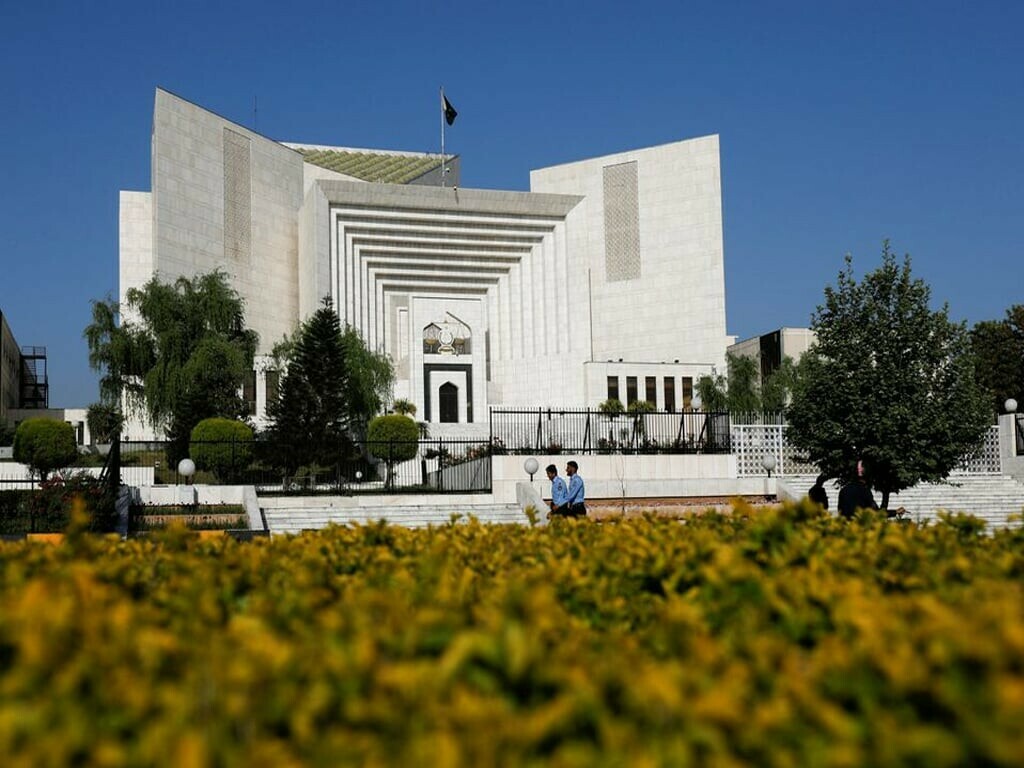

The Supreme Court of Pakistan on Monday, May 19, 2025, adjourned proceedings in the high-profile super tax case until May 22, following the conclusion of arguments by the Federal Board of Revenue (FBR). The constitutional bench is deliberating on the legality and scope of the super tax, imposed under Section 4B of the Income Tax Ordinance, a matter of significant interest for Pakistan’s tax policy.
Bench Examines Super Tax Legality
The five-member bench, presided over by Justice Aminuddin Khan and including Justice Jamal Khan Mandokhail, Justice Muhammad Ali Mazhar, Justice Syed Hasan Azhar Rizvi, and Justice Shahid Bilal Hassan, is tasked with scrutinizing the FBR’s authority to levy the super tax. The outcome of this case holds substantial implications for the FBR’s revenue generation mechanisms and the broader tax framework of the country.
FBR Concludes Arguments; Rebuttal Awaits
During Monday’s session, the FBR’s legal team wrapped up their comprehensive presentation, focusing on their interpretation of Section 4B and the powers it grants the government in imposing such a tax. Justice Aminuddin Khan inquired whether senior counsel Makhdoom Ali Khan, representing the opposing side, intended to specifically address Section 4B. In response, Makhdoom Ali Khan requested access to the written submissions from Dr. Shahnawaz and other FBR lawyers, stating he would review them before presenting his rebuttal in the next hearing.
Precedent Rulings to Be Submitted
Additional Attorney General Aamir Rehman also addressed the Supreme Court, informing the bench of his intention to submit three precedent-setting court rulings relevant to the case. He underscored that these rulings unequivocally support the government’s inherent authority to introduce taxes for targeted purposes. The Supreme Court subsequently directed Rehman to present these rulings in written form for the bench’s consideration.
Pivotal Decision Ahead
The adjournment will allow Makhdoom Ali Khan to prepare and deliver his rebuttal on May 22. This case is of paramount importance for the FBR, as the Supreme Court’s ruling will determine the future viability of the super tax mechanism under existing legislation. A favorable decision for the FBR would affirm its capacity to generate revenue through specialized tax instruments, whereas a contrary verdict could necessitate a re-evaluation of future tax strategies and fiscal planning.