
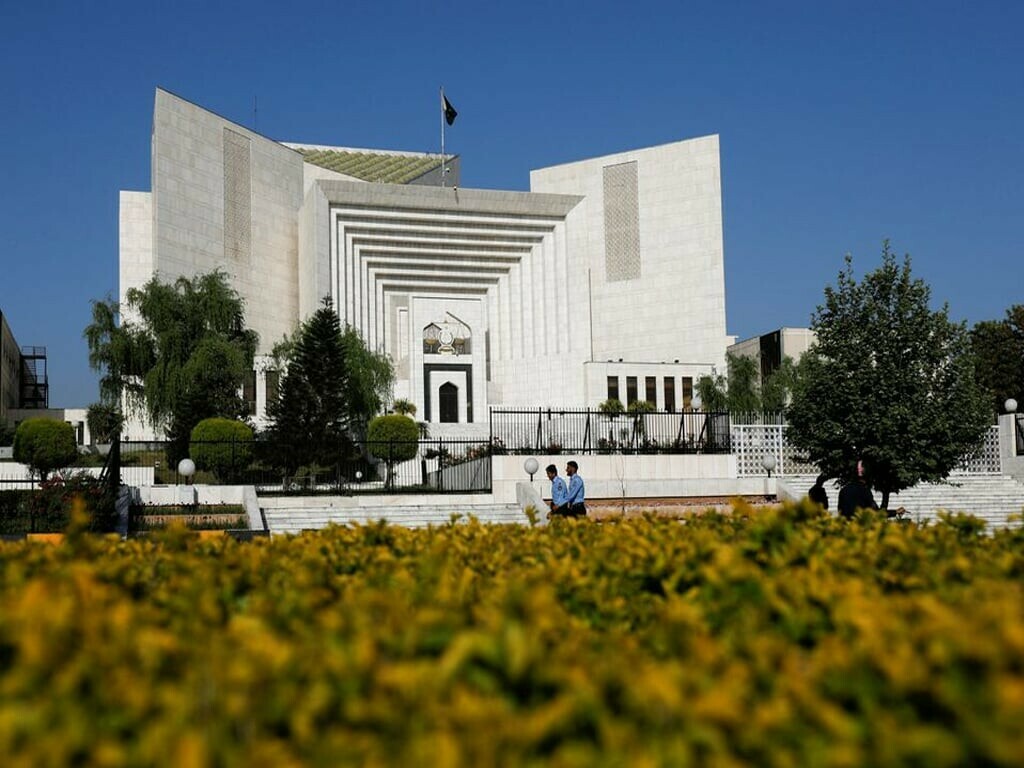

In a significant judgment, the Supreme Court of Pakistan has ruled that notices issued by the Federal Board of Revenue (FBR) under Section 140 of the Income Tax Ordinance, 2001, cannot demand immediate tax recovery on the same day of issuance. The Court unequivocally stated that such notices must specify a future date for compliance, thereby ensuring due process and providing essential legal protection to taxpayers.
The Supreme Court’s decision was delivered through a detailed nine-page judgment authored by Justice Ayesha Malik, which dismissed the FBR’s appeal against a previous high court ruling. The Court underscored that demanding immediate tax recovery on the very day a notice is issued effectively nullifies the purpose of setting a deadline and renders statutory safeguards meaningless.
Constitutional Underpinnings of Due Process
The judgment highlighted the constitutional importance of Section 140, observing that the provision reflects not only statutory intent but also the broader constitutional guarantees enshrined in Article 10A (fair trial) and Article 14 (dignity of man) of the Constitution of Pakistan.
The Supreme Court bench, comprising Justice Munib Akhtar, Justice Ayesha Malik, and Justice Shahid Waheed, meticulously examined whether a tax commissioner under the FBR is authorized to demand immediate payment without affording the taxpayer any reasonable opportunity or a specific date for compliance. The Court’s conclusion was firm: such coercive recovery tactics violate both the spirit and the letter of the law.
The bench held that any notice issued under Section 140 must explicitly mention a future date, providing the taxpayer or any third party holding funds on their behalf with adequate time to respond accordingly. The Supreme Court unequivocally ruled that without such a specified future date, any recovery action becomes arbitrary and unjust.
Dignity of Taxpayers and Lawful Recovery
Justice Shahid Waheed, in a powerful concurring note, raised critical concerns about the intersection of tax collection and fundamental rights. He posed a poignant question: “Does an efficient tax system justify overriding constitutional protections?” He passionately argued that tax enforcement should never devolve into a tool of authoritarian overreach.
In a compelling analogy, Justice Waheed compared ideal tax recovery to the diligent yet gentle work of a honeybee. He emphasized that recovery should strictly adhere to three clearly defined stages—declaration of liability, assessment, and only then, lawful recovery—all executed with full respect for the taxpayer’s dignity.
Precedent and Message to Tax Authorities
This landmark ruling sets a strong precedent in Pakistan’s tax jurisprudence. It unequivocally reaffirms the Supreme Court’s unwavering commitment to upholding constitutional rights, even in fiscal matters. Furthermore, it sends a clear and strong message to tax authorities, urging them to adhere strictly to legal protocols and ensure that tax recovery processes are conducted with fairness, transparency, and respect for taxpayer dignity. This decision is expected to bring much-needed relief and clarity to taxpayers facing recovery notices.