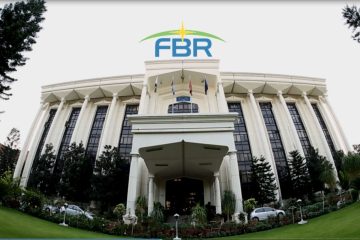


The Federal Board of Revenue (FBR) has commenced the distribution of Honda City 1.2L cars to its officers, a move that has ignited a firestorm of public outrage and condemnation. Despite widespread criticism and serious allegations surrounding the procurement process, dozens of the new Honda vehicles have already been dispatched to the FBR’s Karachi headquarters, fueling intense debate across social media and political circles.
The genesis of this controversy dates back to January 2025, when the FBR announced a highly scrutinized deal for the purchase of 1,010 Honda City 1.2L CVT vehicles. The stated objective behind this massive acquisition was to bolster enforcement efforts against tax evasion through enhanced mobility for Inland Revenue and Pakistan Customs officers (BS-17 and BS-18). However, critics argue that the true motives behind this large-scale purchase remain opaque and questionable.
Details of the Contentious Deal
In a Letter of Intent issued to Honda Atlas Cars (Pakistan) Limited, the FBR committed an upfront payment of Rs3 billion. This payment covered the full cost for 500 vehicles and served as a partial advance for the remaining 510, with initial deliveries slated for completion by May 2025. These vehicles were reportedly ordered with deluxe modifications, including navigation systems, reverse cameras, premium interiors, and complimentary maintenance for up to 20,000 kilometers or 12 months, further fueling public resentment over perceived luxury spending.
The announcement immediately triggered a massive backlash from taxpayers and legislators alike, who vehemently accused the FBR of splurging public funds on bureaucratic luxuries. Hashtags condemning the decision quickly gained traction across social media platforms, with angry citizens demanding greater accountability from the tax authority.
Allegations of Irregularities and Threats
The controversy deepened significantly when Senator Faisal Vawda made explosive allegations during a Senate Standing Committee meeting. He claimed to have received death threats from FBR officers for exposing alleged irregularities in the car procurement deal. The committee, chaired by Senator Saleem Mandviwalla, also heard claims that the FBR had even raided the offices of a rival carmaker, Toyota Indus, following Vawda’s revelations, suggesting potential foul play and punitive actions.
In response to the mounting pressure, FBR Chairman Rashid Mehmood Langrial temporarily halted the procurement process and assured a full-scale investigation into the allegations. The finance ministry also publicly vowed to uphold its commitments to the International Monetary Fund (IMF) amidst rising demands for transparency.
Honda Atlas Cars Records Soaring Profits
Meanwhile, Honda Atlas Cars (Pakistan) Limited has seen a significant financial boost, largely attributed to the controversial FBR deal. The company recently reported a bumper profit of Rs2.7 billion for MY25, with its fourth-quarter earnings soaring by 23% year-on-year. Sales figures sharply increased, with 5,692 units sold in Q4, a considerable jump from just 3,736 units in the preceding quarter, directly reflecting the impact of the substantial FBR order.
As the controversy continues to simmer, the FBR’s rollout of its new Honda fleet is emerging as a critical flashpoint in Pakistan’s ongoing struggle between administrative efficiency and public trust. The nation now watches closely to see whether this motorized tax crackdown will ultimately deliver tangible results in tax compliance or merely generate further political turbulence.