
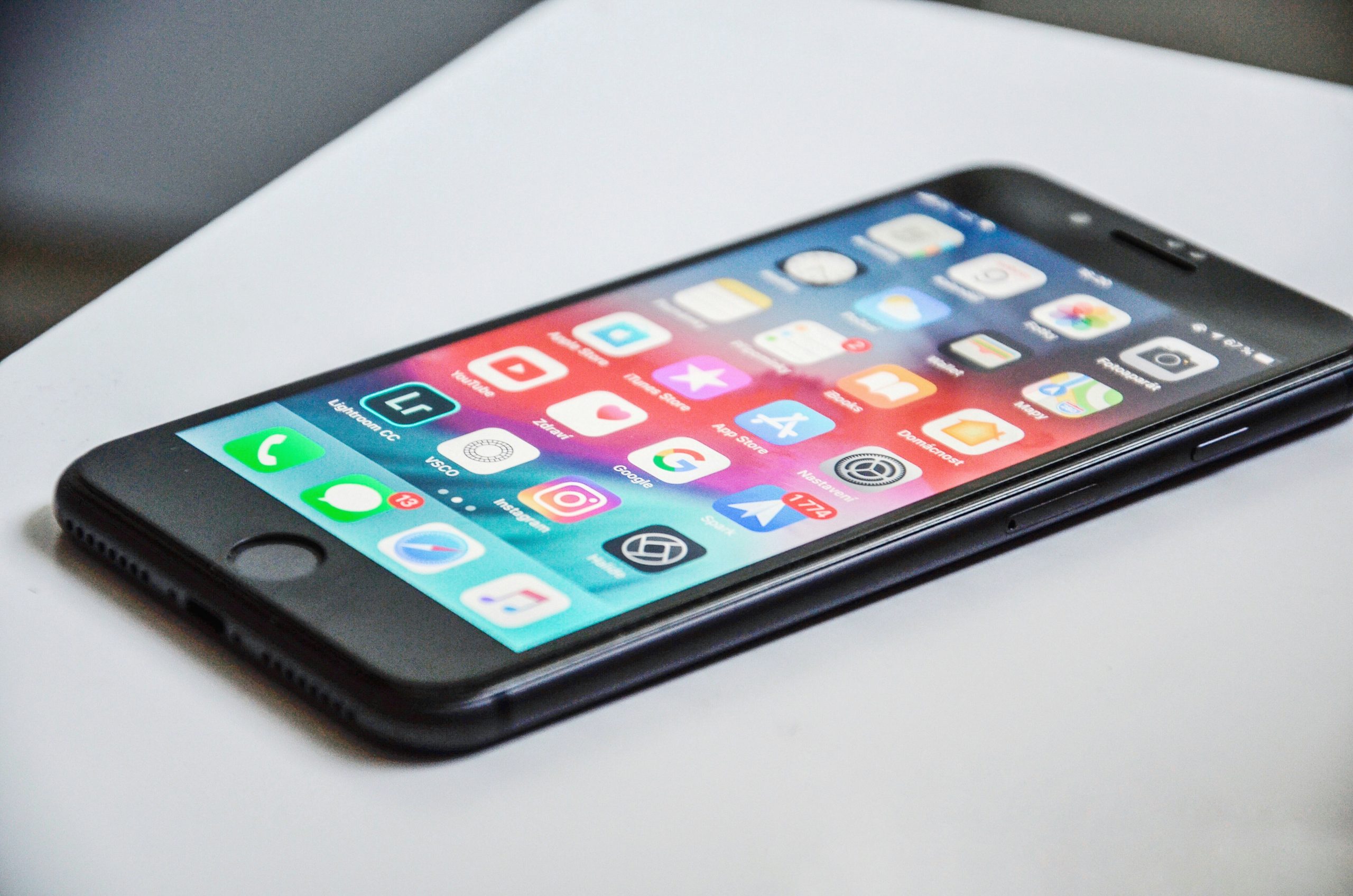

ISLAMABAD: Pakistan’s taxation of mobile phones, particularly high-end imports like iPhones, is drawing criticism for being rigid, outdated, and misaligned with real-world usage, experts say. The issue was highlighted during recent discussions in the National Assembly’s Finance Committee, which examined high taxes on flagship smartphones.
According to the Pakistan Telecommunication Authority (PTA), 94% of phones in Pakistan are now locally assembled, leaving just 6% as high-end imports. Yet this small segment faces disproportionately high duties, often ranging from 50% to 55% of the device’s value.
Experts point to multiple flaws in the current system:
- Lost Taxes on Stolen Phones: Consumers cannot transfer paid taxes if a phone is stolen. With urban phone snatching common, taxes paid on stolen devices are lost, forcing buyers to pay again for replacements. Suggestions include allowing IMEI-to-IMEI tax transfers or issuing tax credit tokens valid for a limited period.
- Bricked or Damaged Phones: Devices that fail due to hardware or liquid damage also result in sunk tax costs, with no provision for transfer or credit, treating taxes more like penalties than user licenses.
- Fixed Taxes Despite Price Drops: PTA taxes remain tied to the original purchase price, ignoring market depreciation. A phone costing Rs. 400,000 at launch may drop to Rs. 300,000 within months, yet tax liabilities remain unchanged, discouraging mid-cycle purchases.
- Used Phones Taxed Like New Devices: Second-hand devices face the same tax rates as new ones, reducing affordability and shrinking the used-phone market—a key segment for lower-income consumers.
Specialists suggest that a modern, fair, and flexible tax system should include:
- Time-limited IMEI-to-IMEI tax transfers for stolen or damaged devices
- Tax credit tokens for replacement devices
- Dynamic valuation tied to updated market prices
- Separate tax tiers for certified used phones
- A registry for theft or irreparable damage
These reforms, they argue, would not reduce revenue but align taxation with actual consumer behaviour, improve protections, and restore trust in the system.
Analysts warn that Pakistan cannot develop its digital ecosystem while its mobile tax framework remains outdated. High-end phone buyers consistently pay full duties, yet the current system offers no recourse for theft, damage, or depreciation—turning compliance into a costly, inflexible process.
The consensus among experts: Without urgent reform, Pakistan risks stifling both consumer protection and the broader mobile market, particularly as the digital economy grows.