
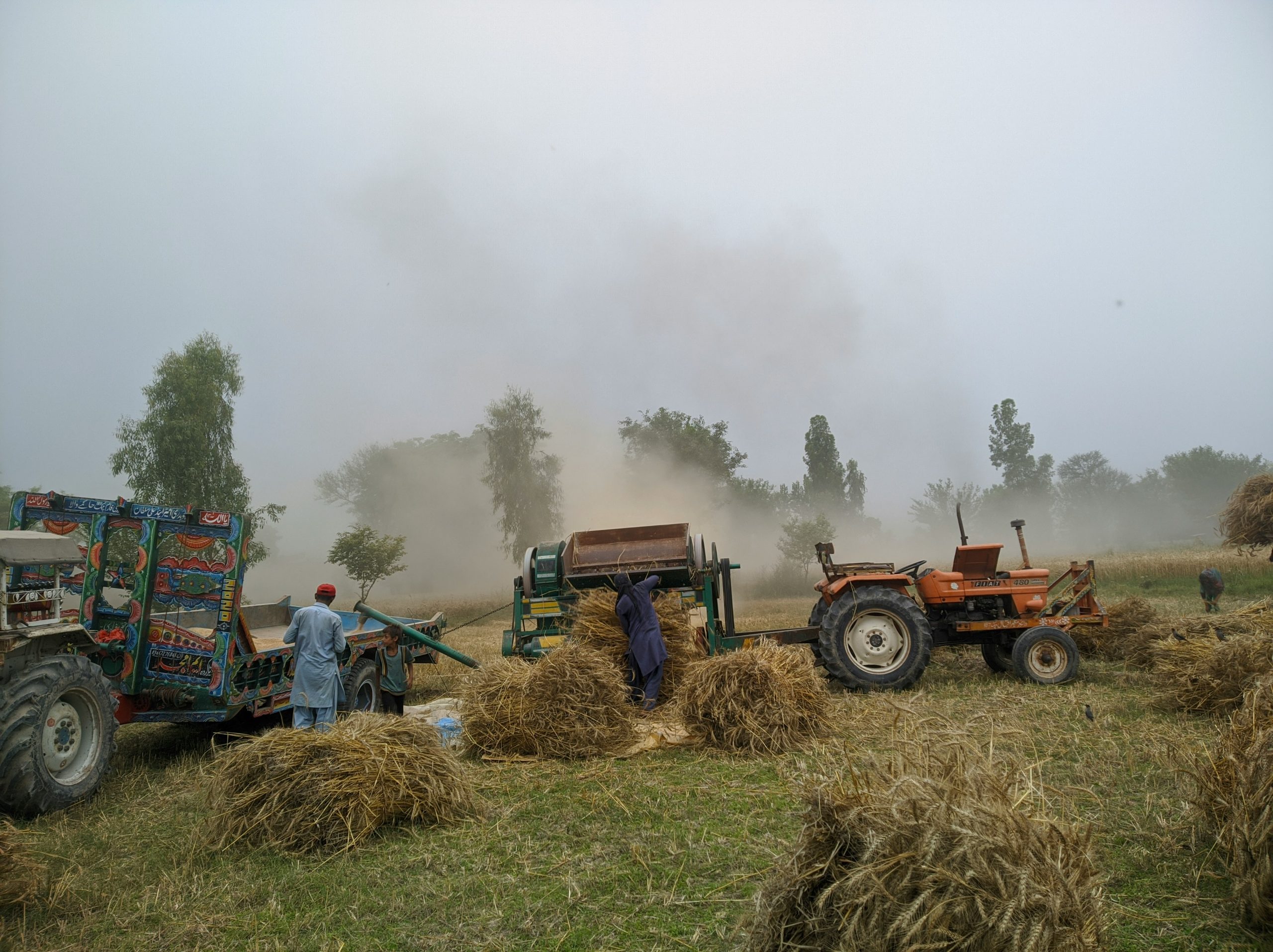

Pakistan’s agriculture sector, which contributes nearly one-fifth of the economy, is still paying little in direct taxes. Despite new IMF-backed reforms, provinces have set very low revenue targets for the Agriculture Income Tax (AIT), raising questions about political will and fairness in taxation.
Economist Dr. Hafeez Pasha criticized the Punjab government for setting only a Rs. 10 billion target, whereas the real potential is between Rs. 450–500 billion. Similar underreporting is seen in other provinces, even though legislation was passed in January 2025 to implement agriculture income tax from July 2025.
What Are the Tax Rates?
The IMF required provinces to align farm income taxation with the federal tax regime. Under the new structure:
- Small Farmers (individuals):
- Up to Rs. 600,000 yearly income – Exempt
- Rs. 600,001 – 1.2 million – 5%
- Rs. 1.2 – 2.4 million – 15%
- Rs. 2.4 – 4 million – 20%
- Above Rs. 4 million – 25%
- Commercial agriculture companies: Taxed at the standard corporate tax rate of 29%.
How to Pay?
The new tax applies on income from January 1, 2025. For the first half of the year, payments are due by September 2025. Farmers and agri-businesses can pay through:
- Provincial Revenue Authority (PRA) / Board of Revenue portals.
- Commercial banks via challans.
- Online platforms such as e-Pay Punjab and similar digital systems in other provinces.
IMF Review Looms
The IMF praised the move as a “landmark step” to ensure fairness in taxation. However, the Fund is likely to raise concerns during its second review later this month, as provinces are budgeting far below the potential. Provinces may cite the recent flood damage to crops as an excuse, even though budgets were passed before the floods hit.
Who Should Collect?
Agriculture income is constitutionally a provincial subject, meaning the federal government cannot directly tax it. Experts argue this loophole allows big landlords to avoid paying their fair share. Some suggest a constitutional amendment to allow the Federal Board of Revenue (FBR) to collect AIT and include it in the NFC Award divisible pool, ensuring provinces get their share but with stricter collection.
The Bottom Line
While salaried classes and businesses continue to face high taxes, Pakistan’s richest landlords pay little or nothing. Unless provinces increase their targets or hand collection to the FBR, the country risks losing hundreds of billions of rupees in potential revenue at a time when every rupee matters.